Can an insulation tester prevent unexpected electrical failures? This is a question many homeowners and technicians ask. Electrical failures can lead to serious damage and safety risks. They often occur without warning, leaving people seeking solutions. An insulation tester is a valuable tool that can help ensure the safety and reliability of electrical systems. These testers check the insulation quality and detect potential faults. Regular testing can save time and money in repairs.
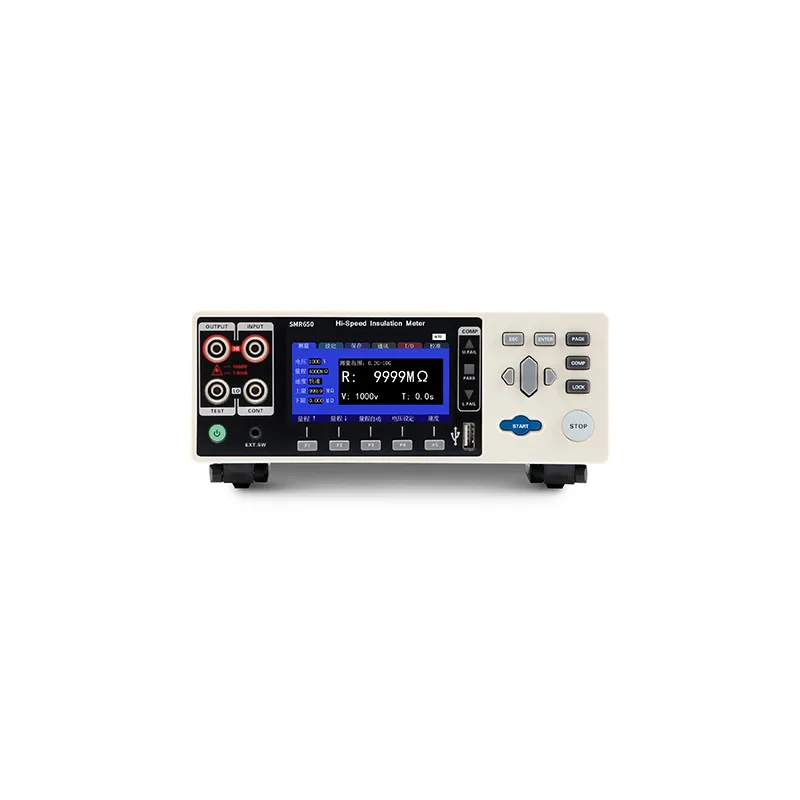
Yes, an insulation tester can indeed help prevent unexpected electrical failures. By regularly checking the insulation condition, it identifies weaknesses before they become serious issues. This proactive approach minimizes risks and enhances safety.
Electrical fires are a major concern in homes and businesses. By ensuring proper insulation, these testers help prevent short circuits that can lead to fire hazards.
Regular insulation testing can extend the life of electrical equipment. It identifies problems early, allowing for timely repairs and maintenance.
Many industries require regular electrical testing for compliance. Using an insulation tester helps meet these safety regulations.
These testers use analog meters to display insulation resistance. They are often less expensive but might not provide detailed readings.
Digital testers offer more features and better accuracy. They display results clearly and may include additional functionalities.
These advanced testers connect to apps or software for data analysis. They allow users to monitor insulation conditions remotely.
Before starting, ensure the equipment is powered off and safe to test.
Attach the tester leads to the electrical circuit or equipment. Ensure a secure connection to get accurate readings.
Activate the tester and take note of the readings. Follow the manufacturer's instructions for the best results.
Review the insulation resistance values. If they are below acceptable levels, repairs may be necessary.
Keep records of the test results for future reference and safety compliance.
In summary, using an insulation tester can certainly help prevent unexpected electrical failures. These tools are essential for maintaining safe and effective electrical systems. Regular insulation testing not only minimizes risks but also promotes a longer lifespan for your equipment.
What is an insulation tester? An insulation tester measures the resistance of electrical insulation to ensure safety.
How often should I use an insulation tester? It's recommended to test insulation at least once a year or according to local regulations.
Can I use an insulation tester on all electrical systems? Most insulation testers can be used on various systems, but always check the manufacturer's guidelines.
What do the readings mean? Higher resistance values indicate good insulation, while lower values may signal deterioration or faults.
Where can I buy an insulation tester? Insulation testers can be purchased at hardware stores, electronics shops, or online retailers.


