The rise of new technologies in harness testers addresses significant challenges in the industry. Traditional harness testing methods can be time-consuming and prone to errors. Automated testing systems have become essential as they enhance efficiency and reduce human error. Companies now see the importance of integrating intelligent systems to streamline harness testing. These advancements not only save time but also improve accuracy. With such improvements, the harness testing process can be more reliable and productive. 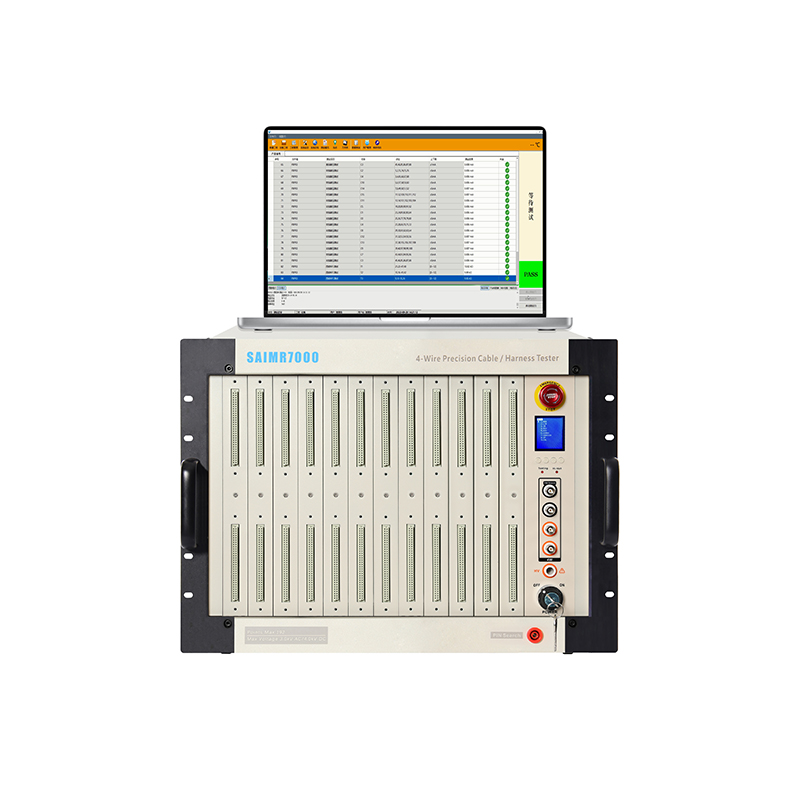
New technologies in harness testers focus on efficiency, automation, and intelligent systems, transforming the testing process and improving reliability.
New harness testers incorporate several advanced features:
Each of these features plays a vital role in improving the overall harness testing experience:
Automation eliminates the need for manual testing, significantly speeding up the process. Many newer harness testers can perform multiple tests simultaneously. This drastically cuts down on testing time and increases productivity.
Modern testers are equipped with sophisticated sensors and software that ensure accurate readings. This reduces the chances of human error, leading to better reliability in results and higher quality control standards.
Real-time data collection allows engineers to monitor performance trends as tests are conducted. This feature helps in promptly identifying any anomalies or potential issues.
Many new harness testers feature intuitive interfaces. This makes it easy for technicians to set up, operate, and interpret results without needing extensive training. The ease of use attracts more users to adopt the technology.
Despite initial investments, automated harness testers can save money in the long run. They reduce labor costs and improve operational efficiency, making them a worthwhile investment for companies focused on growth.
New technologies in harness testers focus on efficiency, automation, and intelligence, making the testing process more effective and reliable. With features like automated processes and real-time monitoring, companies can enhance their quality control measures while saving time and costs. As the industry continues to evolve, embracing these advanced technologies will be crucial for maintaining a competitive edge.
What are harness testers? Harness testers are devices used to test the functionality and reliability of electrical connections in wiring harnesses.
How do automated harness testers improve efficiency? They speed up testing processes by eliminating manual tasks and allowing for simultaneous testing of multiple harnesses.
Are new harness testers expensive? While the initial purchase may be higher, the long-term savings from efficiency and reduced labor costs often make them cost-effective.
What industries use harness testers? Common industries include automotive, aerospace, and electronics manufacturing where complex wiring is prevalent.


