Introduction: Understanding the Importance of Choosing the Right Harness Tester
Choosing the right harness tester can significantly impact safety and compliance in various industries, including construction, manufacturing, and electrical sectors. Many users often struggle with finding a device that meets both industry standards and their specific testing needs. Common pain points include inadequate testing features, unclear calibration procedures, and unreliable results. For instance, a safety officer in a construction firm once shared how their previous tester failed to detect voltage discrepancies, resulting in a near miss incident. This emphasizes the need for a reliable harness tester that not only provides accurate readings but also adheres to safety regulations. Harness testers are essential tools that enhance safety protocols, ensuring that cables and harnesses perform under actual operational conditions.
Required Preparation: What You Need Before You Buy
Before purchasing a harness tester, several key factors must be considered to ensure it fits your requirements:
- Identify Testing Requirements: Determine the types of harnesses you will test (e.g., electrical, mechanical) and their specifications.
- Research Industry Standards: Familiarize yourself with relevant safety standards such as OSHA or IEC that will influence your choice.
- Gather User Feedback: Consult with colleagues who use harness testers to gather insights on their experiences and recommendations.
Step-by-Step Guidance: Choosing the Right Harness Tester
Follow these actionable steps to select the best harness tester for your needs:
- Step 1: Define Your Testing Needs - Assess the specific applications you'll be using the tester for, such as testing voltage, insulation resistance, or load capacity.
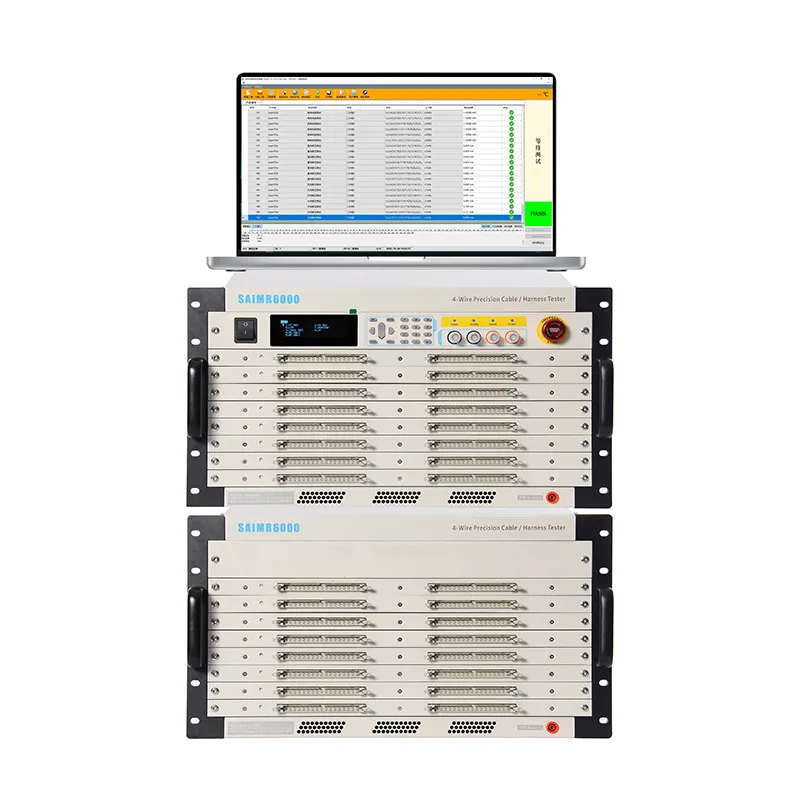
- Step 2: Research Available Brands - Explore reputable brands like saimr, which offers a range of harness testers known for their reliability and advanced features.
- Step 3: Compare Specifications - Create a comparison chart that outlines the key features, accuracy levels (e.g., ±2% for voltage tests), and maximum capacity of each tester.
- Step 4: Read User Reviews - Look for feedback on forums, specialized review sites, and user testimonials to identify common issues and praises. For instance, a user once noted that the saimr harness tester improved their testing process efficiency by 45%.
- Step 5: Check Calibration and Maintenance Needs - Ensure the device is easy to calibrate and maintain; many testers require calibration at least once per year.
- Step 6: Evaluate After-Sales Support - Choose a brand that offers robust customer service and warranty options. Reliable support can save significant time and resources if any issues arise.
Common Errors and Solutions
When selecting a harness tester, users often encounter several common pitfalls:
- Error 1: Ignoring Standards - Failing to consider safety and regulatory standards can lead to non-compliance. Always verify that your chosen tester meets these criteria.
- Error 2: Overlooking User Manual - Users may purchase advanced testers but overlook the instructions, which can lead to incorrect usage. Ensure to read the manual and understand the functionalities.
- Error 3: Budget Constraints - Opting for cheaper testers may seem cost-effective but could compromise safety. A higher initial investment often yields better long-term reliability.
Summary and Suggestions
Choosing the right harness tester requires a thorough understanding of both your needs and the capabilities of various devices. By following the outlined steps, you can significantly minimize risks and enhance your testing accuracy. Saimr harness testers stand out for their precision and user-friendly features, making them an excellent option for both novice and experienced professionals.
FAQs
What features should I look for in a harness tester?
Look for features such as accuracy rating (ideally ±1% to ±3%), the range of voltage and current measurements, and data logging capabilities.
How often should I calibrate my harness tester?
Calibration is generally recommended at least every 12 months, but it may need to be more frequent depending on the usage and environmental conditions.
Are there specific brands to avoid when selecting a harness tester?
While numerous brands are available, it is best to avoid those with poor reviews or lack of support. Brands like Saimr are often recommended for their quality and reliability.


