Harness testers for safety-critical applications are essential tools in today's industries. They ensure that wire harnesses function correctly, which is vital for safety. When a wire harness fails, it can cause serious issues in vehicles and other machinery. This leads to potential risks for users. Therefore, using a quality tester is crucial. A good harness tester can detect faults early, saving time and costs. It plays a significant role in helping manufacturers meet safety standards and regulations.
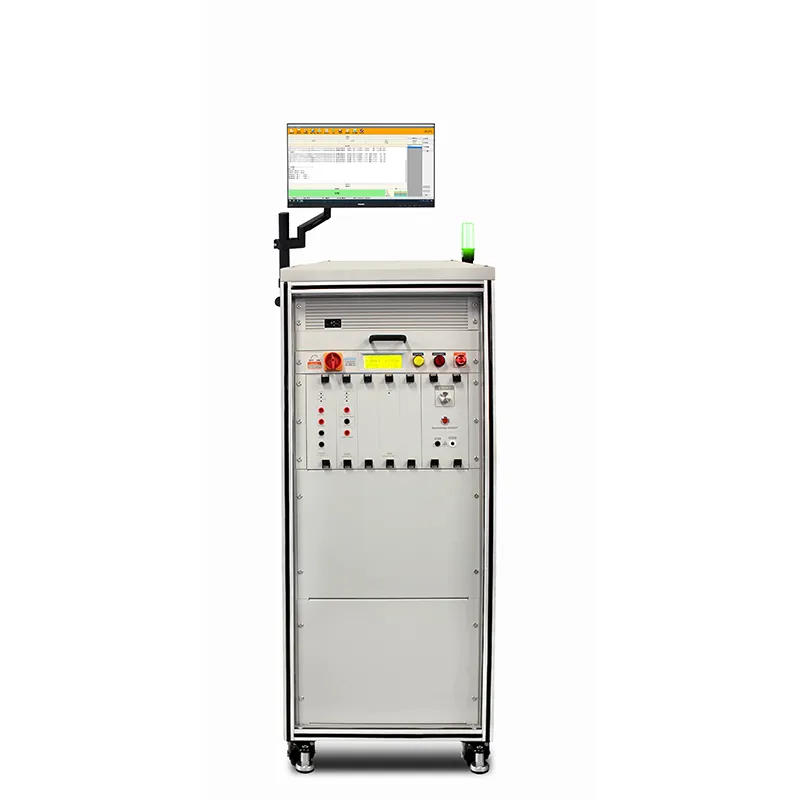
Harness testers are critical tools that ensure wire harness integrity and safety in various applications. They help detect faults, enhance reliability, and ensure compliance with industry safety standards. Businesses can minimize risks and costs by implementing these testers in their processes.
Testing harnesses reduces the chances of failure. This means safer operations in vehicles and machinery.
Finding faults early prevents expensive repairs in the future. This saves money for manufacturers.
Harness testers quickly identify issues. This speeds up production and testing processes.
Consistent testing helps maintain high-quality standards. It reassures customers and meets industry regulations.
These testers check if the electrical path is complete. They are basic yet effective for initial testing.
These devices measure the resistance of insulation. High resistance is vital for preventing short circuits.
ATE systems test multiple harnesses simultaneously. They improve efficiency for large-scale production.
These are portable options for on-site testing. They offer flexibility in diverse environments.
Simple controls and interfaces make testing processes straightforward.
A lightweight design allows testers to be easily transported to various job sites.
Reliable readings help prevent failures and enhance overall safety.
Testers should withstand harsh environments to ensure long-term usability.
Harness testers for safety-critical applications are indispensable tools in many industries. They detect faults, save time and money, and help organizations meet safety standards. By investing in quality wire harness testers, businesses can enhance reliability and overall safety.


