In the modern industrial landscape, electrical failures can lead to significant downtime, posing a severe threat to operational efficiency. A reliable insulation tester is crucial for preventing these failures by identifying insulation issues before they escalate. This guide will explore how you can effectively reduce downtime and enhance your system's reliability with an appropriate insulation tester.
Regular insulation testing is vital for various reasons:
Regular testing results in fewer incidents of electrical failures, thereby saving costs associated with repairs and lost productivity.
Investing in a high-quality insulation tester offers numerous benefits, including:
By preventing equipment failure with regular testing, companies can achieve long-term operational savings. For example, businesses can save around 15% of operational costs through proactive maintenance measures.
When selecting an insulation tester, ensure it has these essential features:
Look for testers that provide test voltages of 250V, 500V, and 1000V, as these cover most applications in the industrial sector.
| Tester Model | Test Voltage | Data Logging | Safety Rating |
|---|---|---|---|
| Model A | 250V, 500V, 1000V | Yes | CAT IV 600V |
| Model B | 250V, 500V | No | CAT III 1000V |
| Model C | 500V, 1000V | Yes | CAT III 600V |
Evaluate testers based on specific needs, such as the required test voltage and essential safety features.
Follow these steps for effective insulation testing:
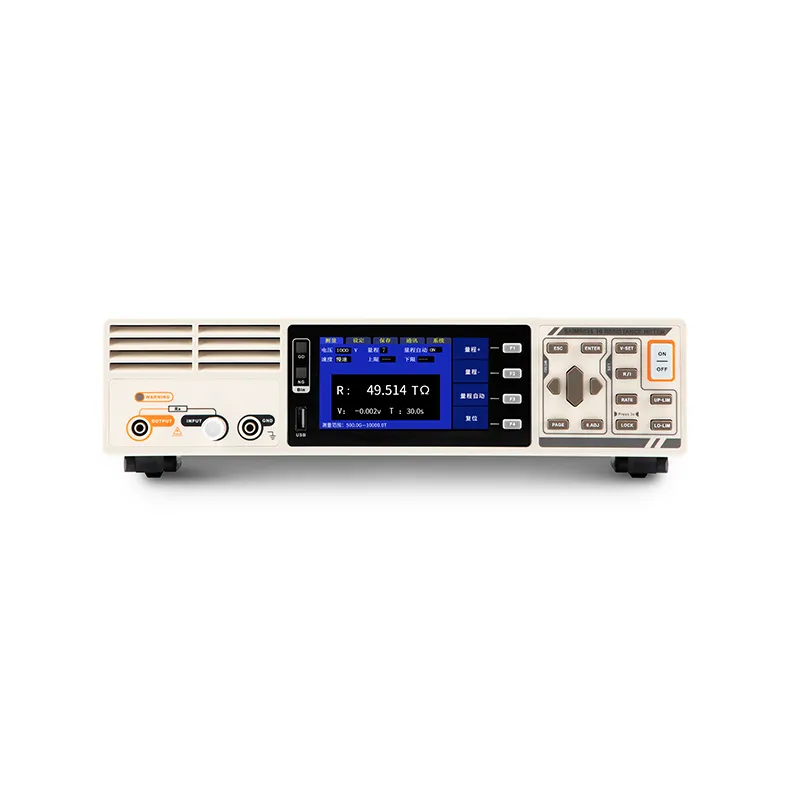
Investing in a reliable insulation tester is essential for reducing downtime and electrical failures in your operations. By understanding the importance of insulation testing, the benefits it brings, and the features to look for, businesses can greatly enhance safety and operational efficiency. Regular testing not only protects equipment but also ensures compliance and promotes a safer working environment.


