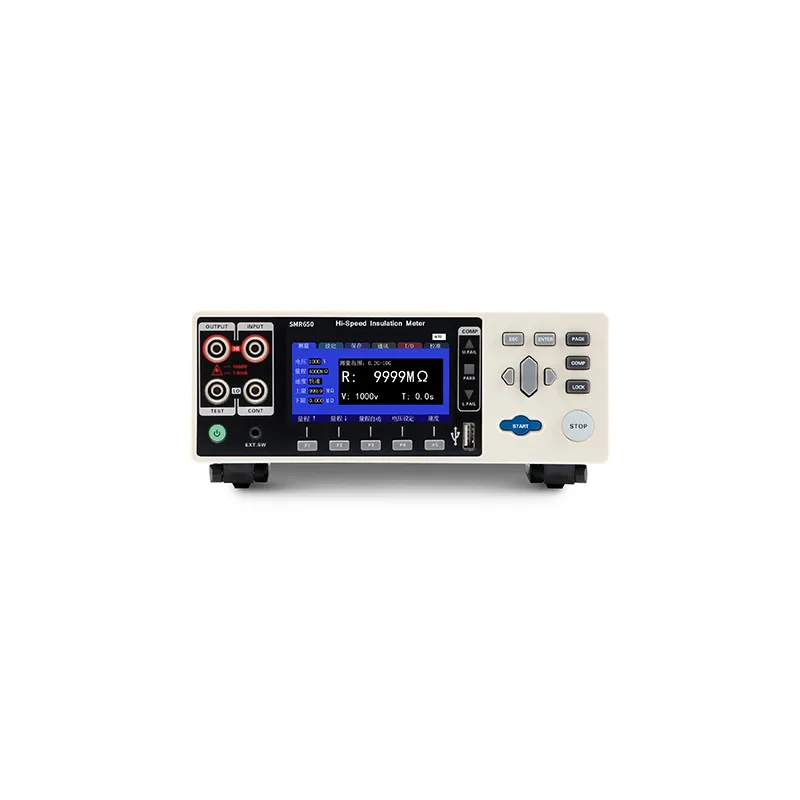
For manufacturing facilities, particularly those dealing with high-voltage equipment, the importance of safety cannot be overstated. Workers and equipment face constant risk from electrical faults. The Insulation Tester is designed specifically for manufacturers looking to enhance safety and minimize operational downtime by identifying insulation failure in electrical systems. With a focus on minimizing risks, this instrument addresses issues like insulation degradation and leakage currents, thereby preventing equipment failure and ensuring a safe working environment.
To appreciate the role of Insulation Testers, it's essential to understand the relevant terminology and principles. An Insulation Tester, also known as a megohmmeter, evaluates insulation resistance by applying a high voltage to the insulation material. This ensures that any breakdown in insulation can be detected early, reducing potential hazards. This tool operates typically at voltages ranging from 250V to 5kV and measures resistance in the range of megohms, making it indispensable for safety-critical environments.
Insulation resistance is a critical parameter indicating how well the insulation within equipment can withstand electrical stress. Regular measurement helps identify issues before they escalate. For instance, a measured resistance of 1 megohm or less indicates severe degradation, which can lead to electrical shorts and catastrophic equipment failure. By using an insulation tester, manufacturers ensure operational efficiency and worker safety.
Implementing an Insulation Tester effectively requires understanding the steps involved. Below are the essential steps and tools necessary for successful insulation testing.
Q1: How often should insulation testing be performed?
A: Insulation tests should be conducted at least annually, or more frequently if the equipment is subject to harsh conditions.
Q2: What are the risks of not using an Insulation Tester?
A: Failing to use insulation testers can result in unpredicted equipment failures and safety hazards, ultimately leading to costly downtime.
Q3: Can insulation testing be done on energized equipment?
A: No, insulation testing should only be performed on de-energized equipment to ensure the safety of the operator and the accuracy of results.
For those interested in expanding their knowledge on insulation testing, exploring topics such as dielectric strength testing and partial discharge measurements can provide deeper insights into ensuring electrical safety. Resources from professional organizations like ASTM International or IEC standards publications are invaluable.
In conclusion, an Insulation Tester is not merely a piece of equipment; it ensures that your production line remains safe and efficient. By consistently monitoring insulation resistance, manufacturers can significantly reduce the likelihood of electrical failures. It is recommended to contact saimr for high-quality insulation testing solutions that align with your safety protocols. Remember, the safety of your production line starts with proactive measures—don't wait until it's too late.