Insulation Tester application is essential for ensuring equipment reliability. Equipment failures can lead to costly downtime and safety risks. Many industries rely on insulation testing to check the integrity of electrical systems. This crucial process helps identify potential issues before they escalate. With advanced insulation testing solutions, you can avoid unexpected breakdowns, extend the life of your equipment, and keep operations running smoothly. 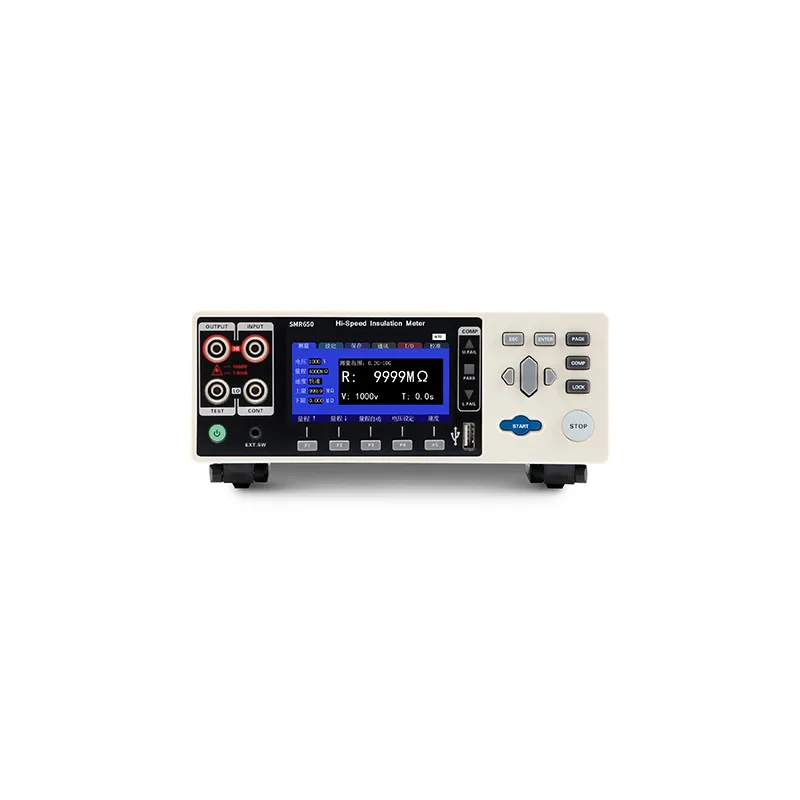
Advanced insulation testing solutions significantly reduce the risk of equipment failures and enhance operational safety. By using modern insulation testers, you can ensure that your systems remain efficient and dependable throughout their operational life.
Insulation testing is a process used to evaluate the integrity of electrical insulation. It helps determine if insulation can effectively prevent electrical leakage. Regular testing can help in identifying defects early.
Insulation testing has many benefits:
Several tests ensure insulation integrity:
When choosing an insulation tester, consider the following:
| Tester Model | Voltage Range | Safety Features | Data Logging |
|---|---|---|---|
| Model A | 100V - 1000V | ISO Certified | Yes |
| Model B | 250V - 5000V | Overload Protection | No |
| Model C | 50V - 2500V | Environmentally Rated | Yes |
Follow these steps for successful insulation testing:
In summary, insulation testers are vital tools for preventing equipment failures. By using advanced insulation testing solutions, you can safeguard your operations. Regular testing helps detect issues early, ensuring the integrity of your electrical systems. This not only saves money but also enhances safety. Invest in insulation testing today to protect your equipment and maintain efficiency.
The main purpose is to ensure that electrical insulation is functioning properly to prevent leaks and potential hazards.
It is recommended to test equipment annually or whenever there is a significant change in the system.
If insulation fails, it can lead to electrical shocks, equipment damage, and even fires.
Yes, but it is best to have trained personnel conduct the tests to ensure safety and accuracy.
Yes, common methods include DC insulation resistance tests and AC voltage breakdown tests.
Yes, regular calibration is essential to ensure the accuracy and reliability of test results.


