Global industrial automation is driving harness tester adoption in many sectors. Companies are under pressure to ensure quality and reliability in their products. Harness testers play a vital role in this process, especially in industries like automotive and aerospace. As businesses automate their operations, the need for efficient testing solutions rises. Companies can no longer afford to overlook the quality control measures necessary for high-performance equipment.
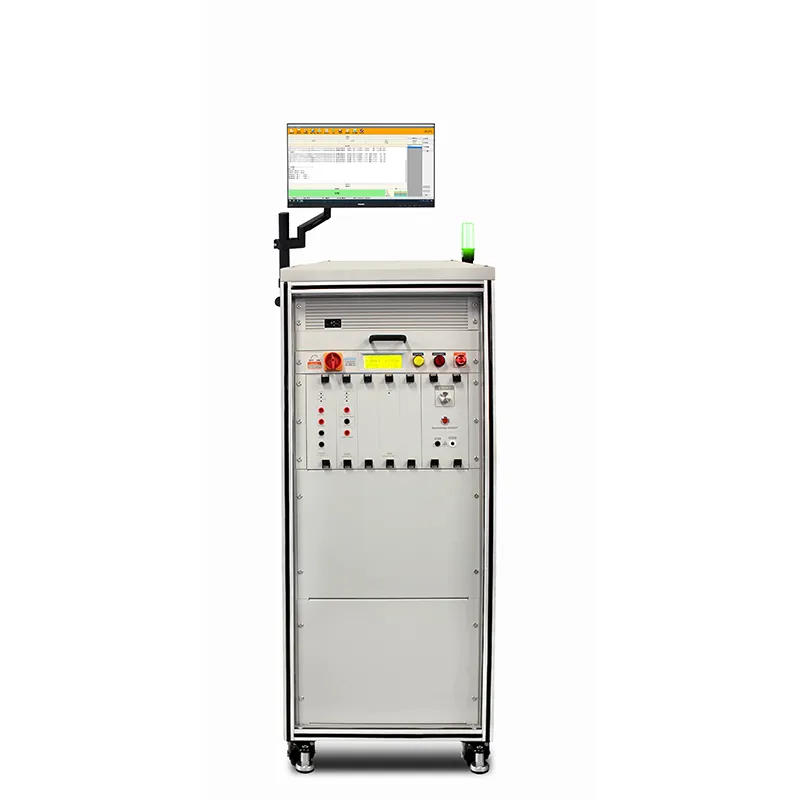
Global industrial automation significantly boosts the demand for harness testers by ensuring product quality and compliance.
Automated systems reduce human error in manufacturing. This improves accuracy in product testing. For instance, automated harness testers ensure every unit meets strict standards.
As production demands increase, harness testers help maintain efficiency. Regular testing minimizes downtime. This is key for manufacturers to stay competitive.
Industries face strict compliance regulations. Harness testers provide essential evidence that products meet safety and performance standards. This is crucial in sectors like aerospace and automotive, where safety is paramount.
Harness testers offer precise performance evaluations. This allows manufacturers to identify defects early. Early detection saves time and costs in production.
Investing in harness testers leads to long-term savings. Reducing defective products decreases warranty claims. This results in fewer costs related to rework and recalls.
Harness testers can evaluate different harness types. This flexibility caters to diverse industry needs. From automotive to industrial applications, harness testers adapt to specific requirements.
Several companies lead in harness tester production, such as XYZ Corp and ABC Ltd. These companies strive for innovation and safety.
Experts predict significant market growth for harness testers. The shift toward automation will drive this trend, promising increased investments in testing technologies.
Firms are forming alliances. Collaborations enhance testing capabilities and expand market reach. This strategy positions companies to leverage new technologies.
The future of harness testing includes AI and IoT innovations. These technologies enhance testing accuracy and enable real-time monitoring of performance.
As industries focus on sustainability, harness testers will adapt. They will incorporate eco-friendly practices in their production and testing processes.
With new technologies, training is essential. A skilled workforce will ensure optimal use of advanced harness testers. Companies that invest in training will have a competitive edge.
Global industrial automation is reshaping how companies adopt harness testers. These tools are essential for maintaining product quality. As demand for reliable testing solutions grows, harness testers will play a pivotal role in ensuring compliance and efficiency across industries. Manufacturers that embrace this trend will likely outperform their competitors.


