Harness Testers in the Era of Electric Vehicles and Smart Cars
In the rapidly evolving landscape of electric vehicles (EVs) and smart cars, the role of harness testers has become critical. Harness testers play a pivotal role in ensuring the integrity and functionality of electrical systems in modern vehicles. These devices are essential for diagnosing potential issues in wiring harnesses, thus protecting complex systems and ensuring safety. This article will explore the applications of harness testers in EVs, the benefits they provide, and how to implement them effectively in your automotive operations.
1. Understanding the Role of Harness Testers in Electric Vehicles
- Definition and Functionality: Harness testers are specialized tools designed to verify the electrical integrity of wiring harnesses within automobiles. They allow technicians to perform tests that ensure wiring is correctly configured and free from faults.
- Importance in EVs: Electric vehicles rely heavily on intricate electrical systems. Harness testers help to identify potential failures in the wiring that could compromise performance or safety.
2. Key Applications of Harness Testers
- Diagnostics: Use harness testers to diagnose electrical issues in EVs before they escalate. These testers can quickly identify problems such as short circuits, open circuits, and signal quality issues.
- Maintenance: Regular testing with harness testers helps maintain the functionality of smart car systems, preventing downtime and costly repairs.
- Development: During the design phase of new electric vehicles, harness testers can be used to validate wiring layouts and electrical schematics.
3. Selecting the Right Harness Tester
- Consider Vehicle Compatibility: Ensure that the harness tester is compatible with the specific EVs and smart cars you work with. Different manufacturers may have unique wiring configurations.
- Evaluate Features: Look for features such as data logging, multi-channel testing, and user-friendly interfaces. Modern testers often integrate with software for comprehensive analysis.
- Check Certification Standards: Choose testers that meet industry standards for accuracy and safety, such as ISO 9001 certification.
4. Implementing Harness Testers in Your Operations
- Training Technicians: Ensure that your staff is properly trained in using harness testers. Workshops or online courses can enhance their skills in troubleshooting electrical systems.
- Integrating with Maintenance Protocols: Incorporate harness testing into your regular vehicle maintenance checklist to catch issues early.
- Utilizing Data Analytics: Collect and analyze data from tests to identify patterns or recurring issues that need addressing.
5. Benefits of Using Harness Testers in Smart Cars
- Enhanced Safety: Regular testing helps to ensure that all electrical systems are functioning correctly, enhancing the overall safety of smart cars.
- Cost-Effective Maintenance: Preventing faults through early detection saves money on repairs and improves vehicle reliability.
- Increased Customer Satisfaction: Providing well-maintained vehicles increases customer trust and satisfaction, leading to repeat business.
6. Future Trends for Harness Testers in the Automotive Industry
- Integration with IoT: The future of harness testers may involve integration with Internet of Things (IoT) technology for real-time monitoring and diagnostics.
- Advancements in Testing Technology: Expect to see more advanced harness testers with automated testing and AI-driven analysis capabilities.
- Growth in EV Market: As the production of electric vehicles accelerates, the demand for reliable harness testing solutions will likely grow.
7. Additional Considerations for Harness Testing
- Environmental Impact: Address how the use of harness testers contributes to reducing the carbon footprint by maintaining efficient electric vehicles.
- Compliance with Regulatory Standards: Ensure that your testing processes comply with local automotive electrical standards to avoid legal issues.
- Customer Education: Inform customers about the importance of regular harness testing to maintain EV functionality and safety, enhancing customer loyalty.
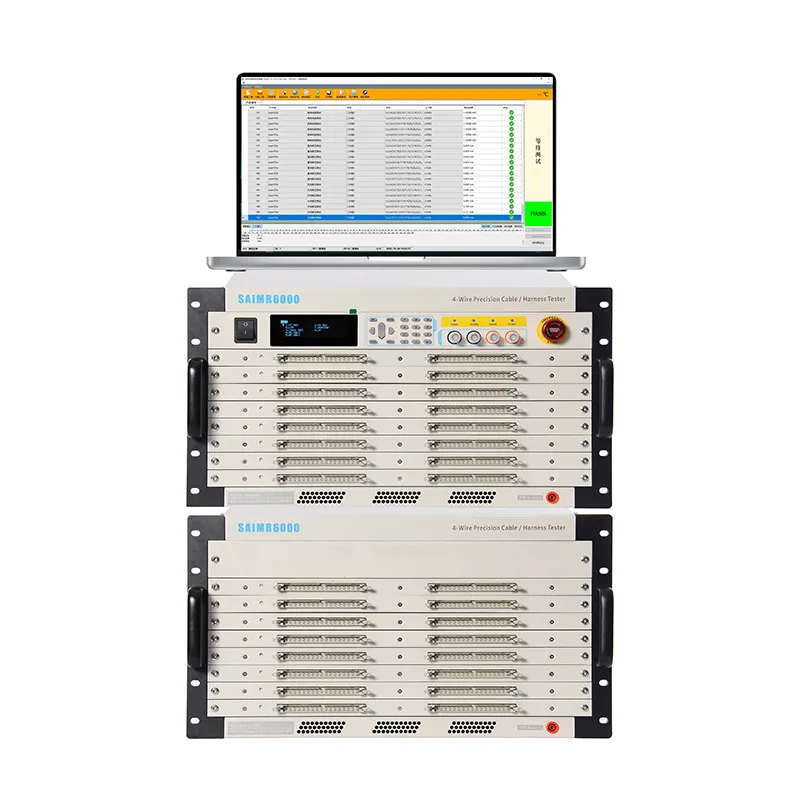
The integration of harness testers in the era of electric vehicles and smart cars is not just advantageous; it's essential. By following these actionable steps, automakers and service providers can ensure safety, reliability, and performance in their electric and smart vehicle offerings. The advancement of testing technologies will facilitate even greater levels of efficiency in diagnosing and maintaining electrical systems, paving the way for a future where electric vehicles become a standard choice for consumers.


