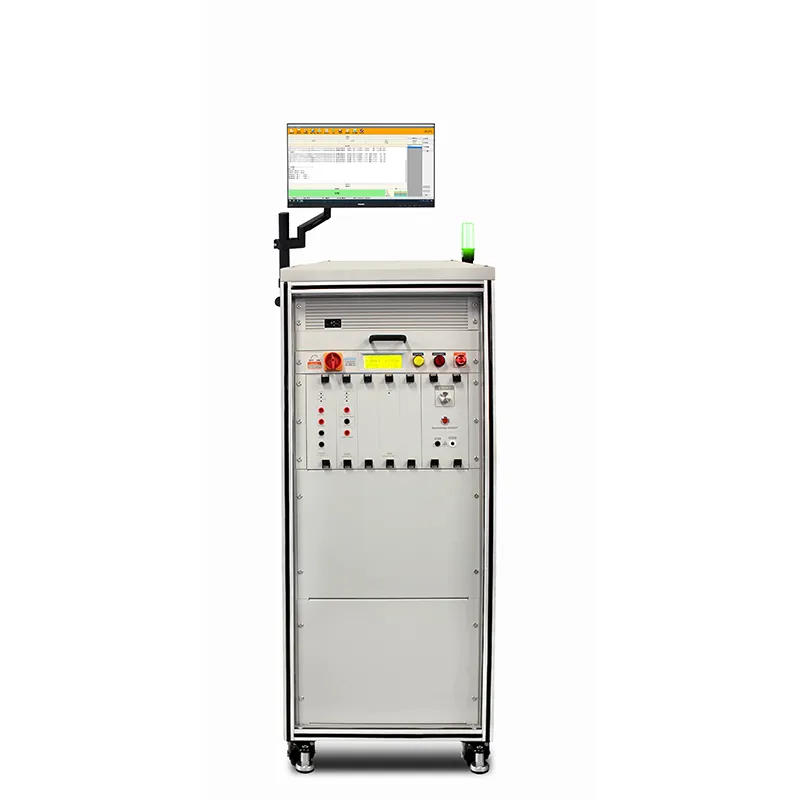
Cross-Industry Applications of Harness Testers: Automotive, Aerospace, and More
Harness testers play a crucial role in various industries, including automotive and aerospace, helping ensure the reliability of electrical connections. By identifying any faults or inconsistencies in harnesses, these tools enhance safety and performance across numerous applications. This article will explore the diverse applications of harness testers, their importance across sectors, and how organizations can effectively implement them to improve quality assurance.
The Importance of Harness Testers
- Ensuring Safety and Compliance: Harness testers guarantee that electrical systems comply with industry standards, significantly reducing risks associated with faulty connections in critical systems.
- Enhancing Performance: Regular testing leads to better performance of electrical systems, vital in high-stakes fields like aerospace.
- Cost Efficiency: Early fault detection saves costs associated with repairs and prevents downtime in production.
Applications in Various Industries
- Automotive Industry:
- Testing vehicle electrical harnesses to prevent malfunctions.
- Adherence to safety regulations and standards set by organizations like the National Highway Traffic Safety Administration (NHTSA).
- Aerospace Sector:
- Cryogenic testing and electromagnetic testing for aircraft wiring systems.
- Compliance with FAA and ESA regulations to ensure flight safety.
- Consumer Electronics:
- Ensuring robust performance and safety standards in everyday devices.
- Reducing returns by improving product reliability through thorough testing.
- Industrial Machinery:
- Identifying wear and tear in heavy machinery wiring.
- Enhancing operational efficiency through preventative maintenance.
- Renewable Energy:
- Testing electrical connections in solar panel systems.
- Ensuring the functionality of harnesses in wind turbine setups.
Implementing Harness Testing Solutions
- Identifying Your Needs: Assess the specific requirements of your industry to determine types of harness testers suitable for your applications.
- Investing in Quality Equipment: Choose high-quality harness testers that offer a range of testing functionalities to cover your needs.
- Training Staff: Provide adequate training for staff on how to operate harness testing equipment effectively.
- Regular Testing Schedules: Establish a routine testing schedule to ensure continuous monitoring of harness integrity.
- Documentation and Analysis: Maintain thorough records of all tests conducted, including results and corrective actions taken.
Future Trends in Harness Testing
- Integration of IoT: Harness testing will increasingly incorporate IoT technologies for real-time monitoring and data analytics.
- Automation in Testing: The rise of automated solutions to enhance the precision and efficiency of harness testers.
- Environmental Considerations: A growing emphasis on sustainability in testing practices and materials used.
Conclusion
Harness testers are invaluable tools across a range of industries, ensuring the safety and reliability of electrical systems. By adopting best practices for their application, organizations can enhance performance, reduce costs, and improve compliance with industry standards. As technology evolves, staying ahead of trends like IoT integration and automation will further empower industries to leverage the full potential of harness testing.
For more information about harness testers and their applications, refer to NHTSA and FAA for regulatory compliance guidelines.