Electrical safety is a crucial aspect of any electrical maintenance regimen. Multi function insulation testers are essential tools that provide accurate measurements, ensuring safety in various applications. With increasing electrical incidents globally, these testers not only help diagnose insulation failures but also enhance overall safety. This article explores how these devices work, their benefits, essential features, and practical usage to emphasize their importance in enhancing electrical safety.
Using multi function insulation testers provides numerous advantages that enhance electrical safety.
These testers can perform multiple tests such as insulation resistance, continuity, and phase sequence, which leads to more accurate diagnostics.
From residential to industrial environments, multi function insulation testers are utilized widely, making them suitable for various systems.
Regular testing with these devices ensures adherence to safety standards, reducing liability and risk of electrical fires.
Most devices are designed for both indoor and outdoor usage, increasing their practicality in diverse environments.
Investing in a multi function insulation tester can save costs by preventing electrical failures that cause significant downtime and repair expenses.
Understanding the features of multi function insulation testers helps users select the right tool for their needs.
They typically provide insulation resistance testing, low resistance measurement, and voltage testing functionalities.
Most models feature large displays and intuitive interfaces, allowing users to operate them effortlessly.
Advanced testers come equipped with built-in data logging functions, enabling users to collect and analyze testing data over time.
These devices are generally lightweight, making them easy to transport to various job sites.
They often include safety features such as automatic shutdown and overload protection to prevent user errors.
Choosing the right model can be daunting. Here is a comparison of a few popular multi function insulation testers.
| Model | Functions | Display | Data Logging | Approx. Price |
|---|---|---|---|---|
| Tester A | Insulation, Continuity, Voltage | Backlit LCD | Yes | $200 |
| Tester B | Insulation, Low Res, Voltage | Color LCD | No | $150 |
| Tester C | Insulation, Continuity, Low Res | Standard LCD | Yes | $250 |
Following a structured procedure ensures accurate test results with insulation testers.
For a visual guide, refer to the flowchart below:
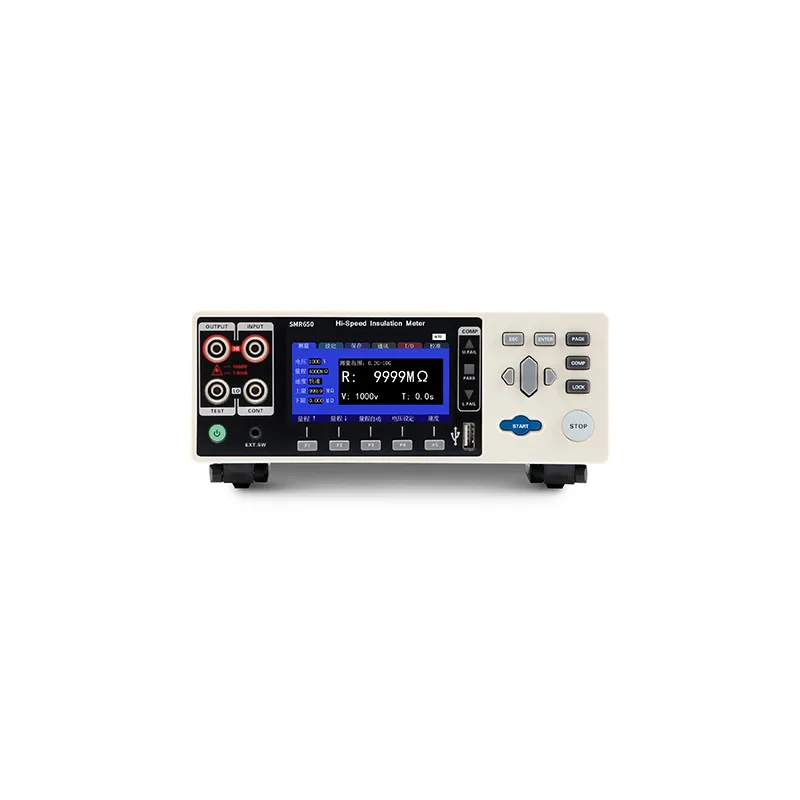
Various industries use multi function insulation testers to enhance safety.
In a recent study, a manufacturing plant implemented regular insulation testing. Over six months, the facility documented a 30% reduction in electrical failures, emphasizing the importance of these devices in preventing incidents.
To maximize safety, consider the following best practices:
Enhancing electrical safety with multi function insulation testers is critical in today’s electrical landscape. These devices provide essential capabilities for safeguarding against electrical catastrophes, ensuring regulatory compliance, and promoting best practices across various sectors. Investing in a quality insulation tester reaps significant long-term benefits, ensuring safety for both users and infrastructures alike.


