In today's rapidly evolving industrial landscape, the significance of an Insulation Tester cannot be overstated. As electrical systems become more complex, manufacturers face the challenge of ensuring the safety and reliability of their operations. Insulation testers play a crucial role in preventing electrical failures, which can lead to costly downtime and hazardous work environments. This tool is indispensable for businesses focused on quality assurance and compliance with safety standards. By identifying insulation degradation, these testers help mitigate potential risks.
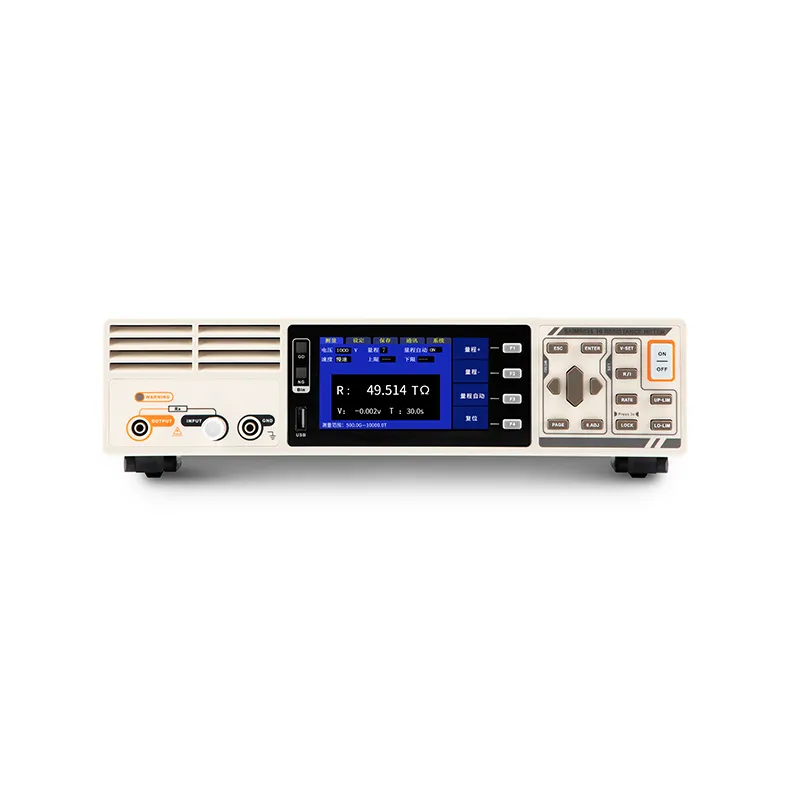
An Insulation Tester, also known as a megohmmeter, measures the resistance of insulation in electrical equipment. By applying a high voltage (usually 250V to 5000V) to the insulation, these devices quantify how well the insulation resists electrical current flow. Higher resistance values (commonly above 1 Mohm) indicate healthy insulation, while lower values raise alarms over potential failures. Using industry-standard terms such as "Insulation Resistance" and "Dielectric Breakdown," professionals better understand the electrical integrity of systems.
Safety Compliance: Regular insulation testing ensures that electrical installations meet national safety standards such as those from the National Electrical Code (NEC). Failures can create dangers, leading to injuries or fatalities.
Cost-Effectiveness: Among the distinct Insulation Tester benefits, accurate testing can actually reduce maintenance costs by up to 60% by catching issues early, thus preventing major repairs or catastrophic failures.
Operational Efficiency: Identifying insulation problems helps ensure that machinery operates at peak efficiency. Businesses that utilize insulation testers report improved uptime by up to 30%.
Insulation testers find application in various fields including:
A high-quality insulation tester integrates features that significantly enhance safety and efficiency with user-friendly functionality. For example, some advanced models provide self-testing capabilities, allowing the device to evaluate its performance and accuracy against standards, ensuring reliable measurements.
For businesses considering insulation testers, the next step involves familiarizing yourself with the user guide of your selected model. Understanding device features, exploring calibration methods, and learning correct usage practices ensures maximum effectiveness. Manufacturers such as saimr offer comprehensive support and resources tailored for their products.
Most insulation testers have an operational lifespan of 5 to 10 years, based on usage frequency and environmental conditions.
For critical systems, testing should occur at least once every six months. Non-critical systems can undergo testing annually.
While many electrical devices are compatible, always refer to the user manual and manufacturer guidelines to ensure safety.
For more in-depth knowledge concerning insulation testers, consider exploring articles and resources offered by saimr, which provide valuable insights and updates on best practices.
In conclusion, engaging with an insulation tester manufacturer is a crucial aspect of maintaining the integrity and safety of electrical systems. Regular testing not only enhances compliance with safety standards but also fosters operational efficiency and reduces costs. Take the next step in safeguarding your business by investing in a reliable insulation tester today.


