When it comes to ensuring electrical safety in your business, choosing the right testing equipment is crucial. Insulation testers and traditional resistance testers both play significant roles in electrical maintenance, but they cater to different application needs. This article explores the advantages and disadvantages of each, helping you make an informed decision for your organization.
Insulation testers measure the resistance of electrical insulators, while traditional resistance testers often assess the connectivity and value of conductivity in circuits. By understanding the nuances, you can select an appropriate tool that boosts your safety protocols and operational efficiency.
Insulation testers are specifically designed to assess the insulation resistance of electrical devices. In contrast, traditional resistance testers focus primarily on measuring the resistance of conductive materials.
Insulation testers operate at higher voltages, typically ranging from 250V to 1000V, allowing them to effectively test heavy-duty electrical equipment. Traditional resistance testers usually operate at lower voltages, which may not effectively detect insulation faults.
Insulation testers measure high resistance values, handling ranges from 1 MΩ to several GΩ. Traditional testers focus on lower resistance ranges, generally in the milli-ohm category.
The results from insulation testers can denote potential insulation failure, while traditional testers primarily provide resistance values that may not indicate insulation quality.
Insulation testers are ideal for electrical installations, preventive maintenance, and troubleshooting insulation problems. Traditional resistance testers serve more for checking continuity in wiring and circuit integrity.
Selecting the appropriate insulation tester can significantly benefit your business by enhancing electrical safety and reducing downtime. Here are some advantages:
| Feature | Insulation Tester | Traditional Resistance Tester |
|---|---|---|
| Testing Voltage | 250V-1000V | DC voltage typically below 12V |
| Resistance Range | 1 MΩ to GΩ | µΩ to Ω |
| Ideal for Insulation Testing | Yes | No |
| Continuous Testing | No | Yes |
Understanding when to use insulation testers versus traditional resistance testers is essential for optimal performance in your business. Here are some guidelines:
Define application, choose tester based on need:
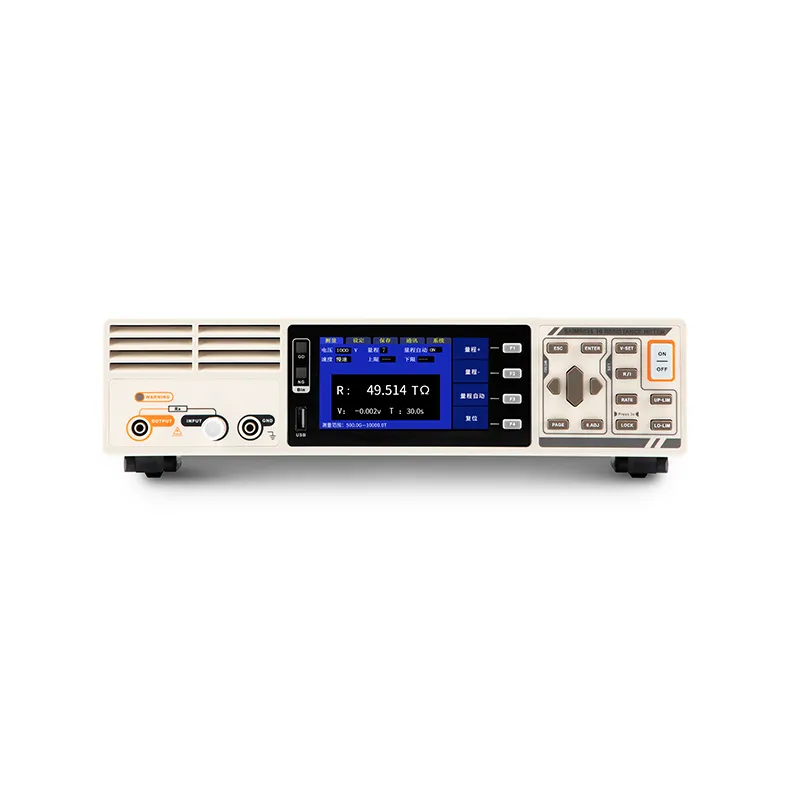
Use an insulation tester for:
Use a traditional resistance tester for:
The cost of testing devices can significantly affect purchasing decisions. Insulation testers tend to be more expensive due to their advanced features and testing capabilities, but they can result in higher savings through reduced downtime and accidents.
When considering the price point, factor in the potential costs associated with electrical faults that might go undetected with traditional resistance testers. Over time, an insulation tester can provide a greater return on investment, especially in environments that handle heavy machinery or safety-critical applications.
Choosing between an insulation tester and a traditional resistance tester ultimately comes down to your specific business needs. If your operations involve high voltage and the potential for electrical insulation breakdowns, investing in an insulation tester is paramount. Conversely, for basic continuity tests and lower-risk scenarios, a traditional resistance tester may suffice. High-quality testers will improve safety protocol efficiency and reduce long-term operational costs, making them essential in today's industrial environments.


