Choosing the right insulation tester can significantly impact your electrical work. Insulation testers, also known as megohmmeters, are essential in ensuring safety and compliance in electrical installations. An inadequate tester may lead to faults, unsafe conditions, and increased repair costs. It's important to understand the features that different models offer. Key features include measurement ranges, accuracy, and user-friendly interfaces. Additionally, advanced options like automated testing and data logging can enhance efficiency and safety. 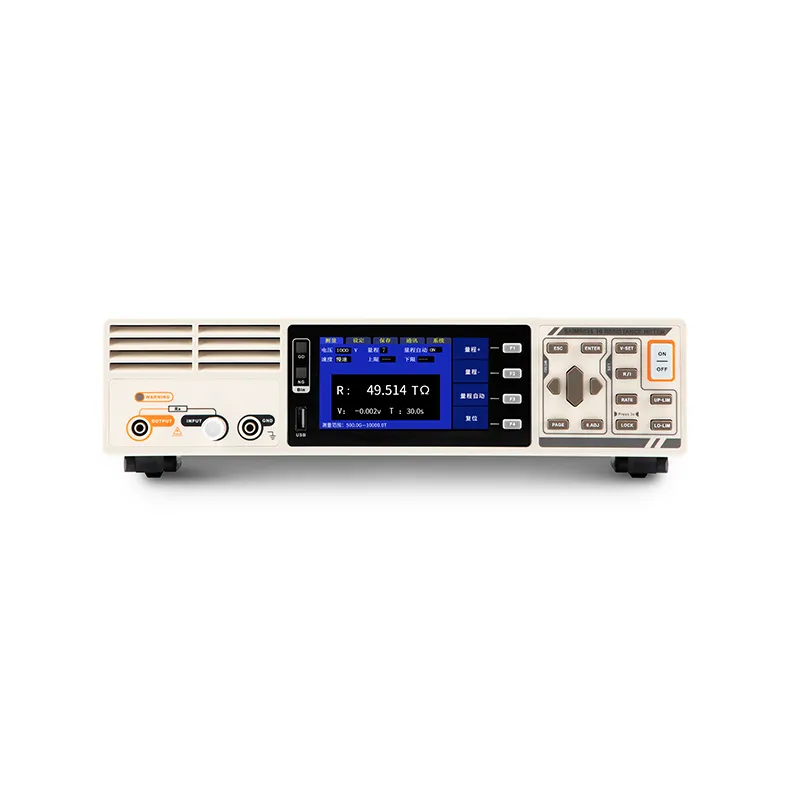
The best insulation tester for your needs depends on your specific applications, budget, and desired features. Look for essential attributes such as measurement range, accuracy, and usability when making your selection.
The measurement range in insulation testers indicates the levels of resistance they can measure. A wider range is beneficial for various applications, from small household devices to large industrial equipment.
Accuracy is crucial for reliable results. Most quality insulation testers have an accuracy of 1% to 3%. Look for devices that offer high precision for critical testing jobs.
Insulation testers should have clear displays and easy-to-navigate buttons. A simple interface allows for quick adjustments and less room for errors, making it ideal for beginners and experienced users alike.
Some modern insulation testers come with automated testing modes. These features streamline testing processes and improve consistency, especially for repetitive tasks.
Data logging is advantageous for tracking results over time. It allows users to store test results electronically for later analysis, helping in maintenance planning and regulatory compliance.
Consider the size and weight of the insulation tester. A compact and durable design ensures easy transport and use in various environments, from workshop settings to outdoor sites.
In conclusion, selecting the best insulation tester for your needs requires careful consideration of various features. Understanding measurement ranges, accuracy, and functionality will help you make an informed decision. Investing in a reliable insulation tester ensures safety and compliance in all your electrical projects.
An insulation tester checks the integrity of electrical insulation by measuring resistance. This process helps ensure safety and functionality in electrical systems.
You should use an insulation tester whenever you install or maintain electrical equipment. Regular checks can prevent faults and ensure system reliability.
Most insulation testers should not be used on live circuits. Doing so may result in damage to the tester or unsafe conditions. Always ensure the circuit is de-energized before testing.
Yes, advanced features can improve testing efficiency and accuracy. If you frequently perform insulation tests or need extensive data, investing in a model with these functions is advisable.


