Understanding the Need for Insulation Testing in Industrial and Automotive Settings
Choosing the right insulation tester is vital for industrial and automotive applications, where electrical safety and equipment longevity are paramount. Professionals often face the challenge of ensuring effective insulation resistance to protect against electrical failures and accidents. Insulation testers, also known as megohmmeters, evaluate the integrity of insulation by measuring resistance levels. Typical user needs include reliability, accuracy, and compliance with industry standards. For instance, factory maintenance teams frequently require insulation testing to prevent costly downtime from unexpected equipment failures.
Required Preparations: Tools and Materials for Choosing an Insulation Tester
Before embarking on your search for the perfect insulation tester, gather the following tools and prerequisites:
- List of Applications: Determine whether you need the tester for industrial equipment or automotive systems.
- Safety Gear: Insulated gloves and safety glasses are essential for protection during testing.
- Research Material: Manuals for specific equipment can inform you about the required insulation values.
- Budget Guidelines: Set a budget, as insulation testers can range from $100 to over $1,000 based on features.
Step-by-Step Guidance to Selecting an Insulation Tester
Follow these actionable steps to select the most suitable insulation tester for your needs:
- Identify Voltage Requirements: Assess the voltage requirements of the equipment you’ll be testing. For example, a typical insulation resistance test on automotive circuits may require testers with a voltage range of 250V to 1000V.
- Check Resistance Measurement Range: Make sure the tester can measure high (up to 2000 MΩ) and low insulation resistance effectively. This ensures accurate assessments, even in degraded conditions.
- Consider Data Logging Features: Opt for testers with data logging capabilities. This can help track test results efficiently, an essential feature noted by Sarah, a maintenance engineer at a manufacturing facility, who recorded a 25% improvement in reporting time using a model with this feature.
- Evaluate Safety Standards Compliance: Ensure that the device adheres to industry standards (such as IEC 61010) and safety regulations to mitigate risks. This feature was crucial for Mark, an auto technician, whose facility faced scrutiny during safety audits.
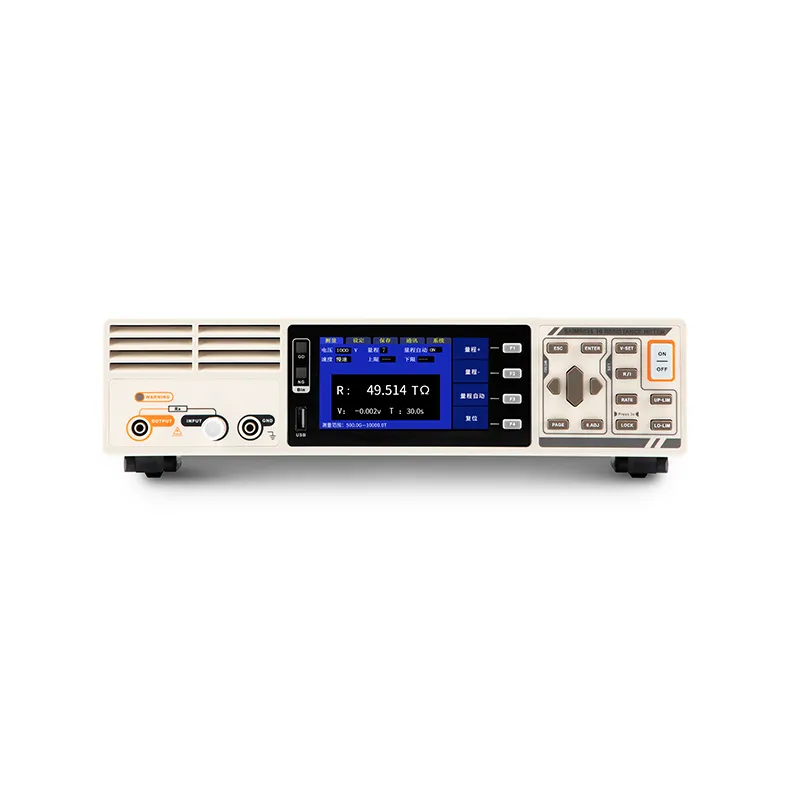
- Compare Brands: saimr offers various models acclaimed for accuracy and durability. Consider customer reviews and testimonials emphasizing long-term reliability.
- Assess Portability: If you require frequent transportation, choose a lightweight and compact model. For instance, John, a technician in a mobile repair unit, benefited from a model weighing just 2.5 lbs, which made on-site testing more efficient.
Common Errors in Choosing Insulation Testers and How to Avoid Them
Choosing an insulation tester can be fraught with pitfalls. Here are common errors and solutions:
- Ignoring Manufacturer Guidelines: Always refer to equipment manuals for insulation requirements to avoid damage.
- Choosing a Tester with Inadequate Features: Ensure the selected tester meets all the necessary specifications for your applications. A tester lacking sufficient voltage settings can result in inaccurate readings.
- Overlooking Calibration: Regularly calibrate your insulation tester as per manufacturer instructions to maintain accuracy.
Summary and Suggestions for Optimal Insulation Testing
In conclusion, selecting the ideal insulation tester for industrial or automotive applications requires careful consideration of voltage requirements, resistance measurement ranges, and additional features such as data logging and portability. saimr provides excellent five-star rated testers that can fit various needs. It is advisable to educate oneself thoroughly, utilize user experiences like Sarah's and Mark's, and prioritize safety standards compliance.
Frequently Asked Questions (FAQs)
1. What is the minimum insulation resistance value for automotive applications?
Generally, a minimum insulation resistance of 1 MΩ is recommended, but some guidelines suggest values as high as 10 MΩ for safety.
2. How often should I test insulation resistance?
It's advisable to perform insulation testing annually, but more frequent testing may be necessary for high-use or critical equipment.
3. Can I use an insulation tester on live circuits?
No, insulation testers should only be used on de-energized circuits to ensure safety and accurate readings.


